How to Bring Shine Back to Marble Floors: A Dubai Homeowner's Guide
Marble floors add a touch of elegance to any Dubai home, but even the most beautiful natural stone can eventually lose its initial lustre. Over time, daily foot traffic, dust, and even common spills can cause your once-glistening marble to appear dull, scratched, or worn. You might be wondering how to bring shine back to marble floors and restore that luxurious look you remember.
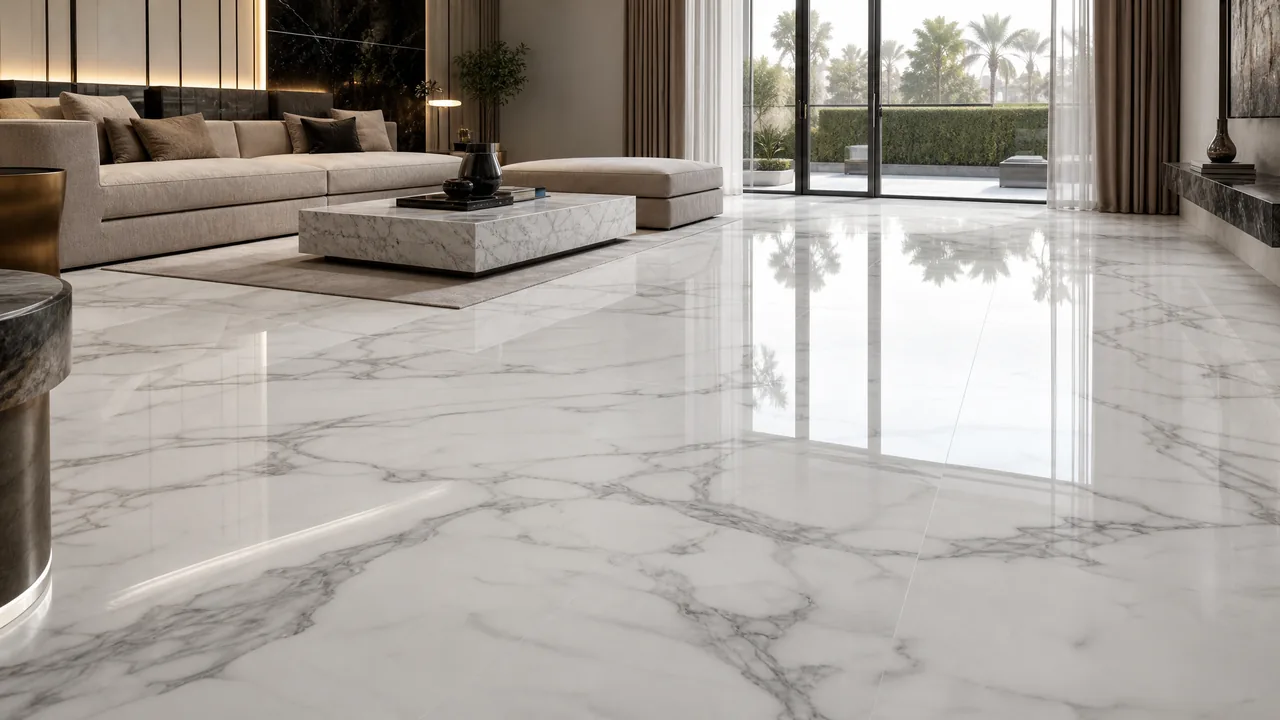
Understanding Why Marble Floors Lose Their Lustre
Everyday wear and tear
Marble is a beautiful but relatively soft stone. Over time, regular foot traffic, especially with tiny particles of dust and sand, creates microscopic scratches on the surface. These small abrasions scatter light instead of reflecting it, making the floor appear dull rather than shiny.
Acidic substances and spills
Marble is sensitive to acids. Even mild acidic substances, like lemon juice, vinegar, or certain cleaning products, can react with the calcium carbonate in the marble. This reaction causes "etching," which permanently dulls the polished surface, leaving noticeable matte spots where the shine has been removed.
How the UAE climate impacts marble
The unique climate in the UAE, with its fine desert dust and sand, plays a role in dulling marble floors. These airborne particles act as abrasives when walked upon, contributing to everyday wear and tear. Additionally, hard water, common in many areas, can leave behind mineral deposits if not wiped away promptly, further obscuring the marble's natural shine.
Simple Steps to Bring Shine Back to Marble Floors
If your marble floors have lost some of their sparkle but aren't deeply damaged, there are steps you can take at home to help revive their look. These methods are best for light dullness, not for significant etching or deep scratches.
Effective cleaning practices for dull marble
Regular and correct cleaning is the first line of defense against dullness and can often bring back some of the shine. To care for your marble floors:
- Dust daily: Use a soft, dry mop or dust cloth to remove loose dirt and grit that can scratch the surface.
- Clean with pH-neutral solutions: Only use cleaners specifically designed for natural stone. Avoid acidic or abrasive cleaners like vinegar or general bathroom cleaners, as they can etch marble.
- Use soft tools: Always use a soft cloth or a mop with a non-abrasive head.
- Rinse thoroughly: After cleaning, rinse the floor with clean water to remove any soap residue.
- Dry immediately: Wipe the floor dry with a clean, soft towel to prevent water spots and streaks.
Following these steps keeps your floors looking good between professional visits.
Using polishing compounds safely for light dullness
For areas with very light dullness, a marble polishing compound can sometimes help restore some lustre. These products are designed to buff the surface gently.
- Choose the right product: Ensure the compound is specifically formulated for marble or natural stone. Never use abrasive household cleaners.
- Test first: Always apply to a small, hidden area of your floor to check for any adverse reactions.
- Apply sparingly: Put a small amount onto a clean, soft cloth.
- Buff gently: Work in small sections, rubbing the compound into the marble surface with gentle, circular motions until it looks shinier.
- Remove residue: Wipe off any excess compound with another clean, soft cloth.
Remember, these steps are for minor issues. If your marble has significant etching, scratches, or deep dullness, it might require professional marble polishing to truly bring back its original shine.
Common Mistakes to Avoid When Shining Marble
Bringing back the shine to marble floors requires care and the right approach. Many homeowners try DIY solutions that, while well-intentioned, can cause more harm than good to their valuable stone. Understanding these common errors can help protect your marble.
Harmful cleaning agents and abrasive tools
A significant mistake is using acidic cleaners like vinegar, lemon juice, or many common bathroom cleaning sprays. Marble is sensitive to acids, and these products can etch its surface, creating dull, rough spots that are difficult to fix. Similarly, abrasive tools such as steel wool, scouring pads, or stiff brushes will scratch the marble, removing its smooth finish and making it appear even duller. These actions can cause lasting damage, turning a temporary dullness into a permanent problem.
Incorrect polishing methods and products
Another common error involves using waxes or non-specific polishes not designed for natural stone. Wax-based products can build up over time, trapping dirt and creating a cloudy, yellowish film that hides the stone's natural beauty. Products not formulated for marble might contain chemicals that react negatively with the stone, leading to discolouration or surface damage. For effective and safe marble polishing, it is important to use products specifically made for marble to ensure its protection and lasting shine.
When to Call on Professional Expertise for Marble Shine
While regular cleaning and minor polishing can maintain your marble floors, there comes a point when a homeowner needs to consider professional assistance. Some issues are simply too complex or extensive for home remedies to effectively resolve.
Recognising Severe Damage and Deep Etching
Not all dullness or damage on marble floors can be fixed with household products. If you notice any of the following, it might be time for expert help:
- Deep Scratches: Scratches that catch your fingernail often require grinding to remove a thin layer of stone before polishing can restore the surface.
- Widespread Dullness and Haze: If your entire floor has lost its reflective shine, and cleaning products make no difference, the surface layer may be worn or etched. This widespread dullness is a sign the stone needs more than just a surface treatment.
- Significant Etch Marks: White, dull spots caused by acidic spills that have eaten into the marble's surface are known as etch marks. Minor etches can sometimes be buffed, but deep or widespread etching needs professional attention to restore the stone's smooth finish.
- Stubborn Stains: Some stains penetrate deep into the porous marble, making them impossible to remove with ordinary cleaning. Professional methods can draw out these embedded stains without harming the stone.
Considering the Long-Term Value of Professional Restoration
Choosing professional assistance for your marble floors is an investment in their lasting beauty and durability. Professionals have the knowledge and tools to address the root causes of damage, rather than just masking surface issues. This helps prevent further deterioration and can extend the life of your floors significantly. For instance, processes like marble floor restoration involve specialised techniques such as grinding, honing, and polishing that correctly remove damage and bring back the original shine. This ensures a consistent, high-quality finish across your entire floor, protecting its natural elegance and contributing to your home's overall appeal for years to come.
Maintaining Marble's Shine in the UAE
To keep your marble floors looking their best and delay the need for extensive work, consistent care is key. Preventing dullness is often easier than trying to bring shine back to marble floors once it's lost.
Daily care tips for marble floors
- Dust Regularly: Use a soft, dry microfiber mop daily to remove dust and grit that can scratch the surface.
- Clean Spills Immediately: Marble is porous. Wipe up spills, especially acidic ones like juice or coffee, right away with a soft, damp cloth.
- Use pH-Neutral Cleaners: Never use abrasive or acidic cleaners. Opt for cleaning products specifically designed for natural stone.
- Protect Entryways: Place doormats at all entrances to trap sand and dust from outside, reducing wear on your floors.
Protecting against local environmental factors
The UAE's unique environment, with its prevalent sand and dust, can be tough on marble.
- Manage Sand and Dust: Frequent dry mopping is vital. Consider keeping windows closed during windy or dusty conditions to minimise accumulation.
- Address Humidity: High humidity can sometimes lead to moisture absorption in porous stones. Ensure good ventilation in your home.
- Professional Sealing: To protect against stains, especially with Dubai's dust and hard water, regular professional crystallization and sealing is highly recommended. This helps to form a protective barrier, extending the life of your marble's lustre and reducing the need for more intensive restoration later.
Further reading: Calcium carbonate on Wikipedia.
Want an exact price for your floor?
Free on-site inspection, fixed-price quote and a 1-month written guarantee — across all 7 UAE emirates.
Frequently asked
How often should marble floors be professionally polished?
The frequency for professional marble polishing depends on foot traffic, daily care, and how quickly your floors show wear. For many homes, a professional polish might be beneficial every three to five years. However, if you notice significant dullness, scratches, or etching earlier, it indicates it's time for an assessment. Areas with higher usage will naturally require attention more often.
Can regular household cleaners be used on marble floors?
No, it is important to avoid using regular household cleaners on marble floors. Many common cleaning products contain acidic or harsh chemicals that can etch, stain, or permanently damage the delicate surface of marble. Always use cleaners specifically formulated to be pH-neutral and safe for natural stone, or simply use warm water with a very mild, pH-neutral soap.
What is the difference between cleaning, polishing, and sealing marble?
Cleaning removes surface dirt, dust, and spills using appropriate, pH-neutral products. Polishing restores the natural shine and smoothness of the marble by carefully refining the surface, addressing minor imperfections like dullness and light scratches. Sealing applies a protective barrier that helps prevent liquids from penetrating the stone, making it more resistant to staining. Sealing does not stop acids from etching the surface, so spills still need wiping up quickly.
Is professional marble restoration worth the investment compared to repeated DIY attempts?
Professional marble restoration is generally a sound investment. While DIY attempts might offer temporary solutions, they often lack the specialised tools, knowledge, and products required for deep restoration. Incorrect methods can inadvertently cause further damage. Professional restoration ensures lasting results, properly addressing deep issues, and preserving the beauty and integrity of your marble floors effectively.