How to Care for Calacatta Marble in a Dubai Home
If you want to care for Calacatta marble well, start with how it behaves. Calacatta is one of the most striking marbles you can put in a home, but its white surface shows everything. A lemon wedge on the counter or a splash of cleaner can leave a mark in minutes. The good news is that a simple routine prevents most problems. Here is how to look after it.
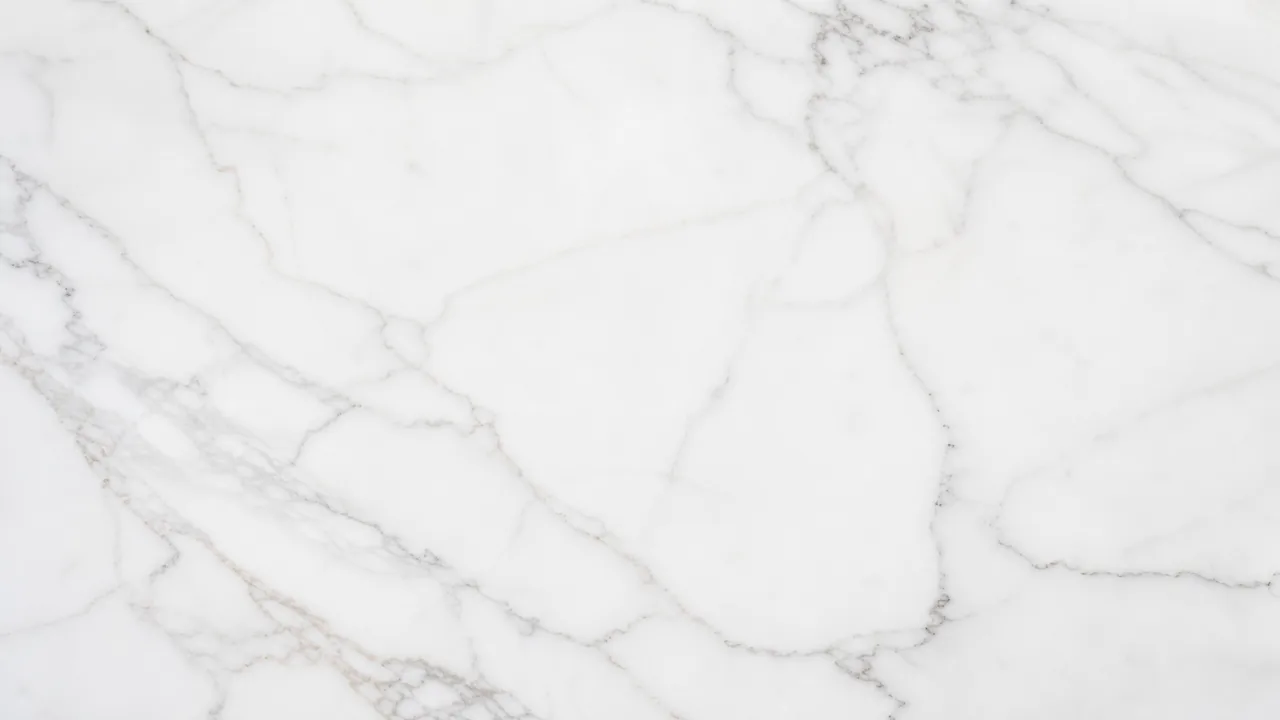
Why Calacatta needs extra care
Calacatta is a calcium-based stone, so acids react with it. It is also porous, which means coffee, oil and wine can soak in. On a white background, marks that would hide on a darker stone stand out at once.
White marble can also yellow over time, especially where water sits on the stone or gets underneath it.
How to care for Calacatta marble day to day
A short routine does most of the work.
- Dust-mop floors daily to remove sand.
- Wipe tops with a soft cloth and warm water.
- Use a pH-neutral stone cleaner once a week.
- Dry bathroom surfaces after use, so that water does not sit.
Avoid microfibre cloths with grit in them, and rinse them often.
What to keep away from Calacatta
These common products can mark the stone.
- Vinegar, lemon and other acidic cleaners.
- Bleach and bathroom sprays.
- Scouring powders and rough pads.
- Perfume and some cosmetics, on vanity tops.
Put trays under perfume bottles and soap dispensers. In the kitchen, use coasters and chopping boards.
How to deal with spills
Speed matters most. Blot the spill with a soft cloth instead of wiping it across the stone. Rinse with water and dry the area. If a mark stays, do not scrub it. Scrubbing can make a dull patch bigger.
Stains and etch marks need different treatment. A stain looks darker than the stone, because something has soaked in. An etch mark looks dull or pale, because acid has damaged the surface. Our guide to etch marks explains how to tell them apart.
When to call a professional
Some problems are beyond home care.
- Dull rings that will not clean off.
- Yellow patches that keep spreading.
- Water that soaks in instead of beading on the surface.
- Scratches you can feel with a fingernail.
For these, see our Calacatta marble polishing service. Polishing removes surface damage, and sealing gives you more time to deal with spills.
Room-by-room care
Calacatta is used across the home, and each room has its own risks.
Kitchens
Keep lemons, vinegar and wine away from the stone. Use boards and trays, and check the sink area often, because water sits there.
Bathrooms
Soap, perfume and hair products are the main risks. Keep them on trays, and wipe the vanity dry. Squeegee shower walls after use.
Floors
Sand is the biggest issue. Use mats at the entrance and dust-mop every day. Add felt pads to chair legs.
Stairs and walls
Stairs wear on the front edge. Walls usually need only gentle dusting, but check them for splashes from cleaning products.
Choosing products for white marble
Read the label before you buy any cleaner. Avoid anything that lists acid, bleach or ammonia. A product that says it is safe for stone is a better start, but check that it says pH-neutral. Coloured cleaning liquids and dyed soaps can also leave a tint on white marble, so a clear product is the safer choice.
Avoid oil soaps and wax-based shine products. They leave a film that attracts dirt and can turn yellow.
Mistakes that damage Calacatta
- Leaving a wet cloth or sponge on the stone.
- Putting rubber-backed mats on the floor, which can stain or trap moisture.
- Using a steam mop, which pushes heat and water into the stone.
- Scrubbing a mark with a rough pad.
- Using a floor polish from a supermarket.
What to expect as the stone ages
Natural marble changes with use. Light etching on a kitchen top is normal, and some owners like the look of a stone that shows its age. If you want it to stay bright, plan for professional polishing from time to time. A polish removes the wear, and a fresh seal helps with spills. Our guide to how often to polish marble can help you plan.
Choose the right finish
If you are renovating, think about how you use the space. A polished finish looks bright but shows etch marks. A honed finish looks softer and hides light marks better, which can suit a busy kitchen.
Further reading: Carrara marble, where Calacatta is quarried on Wikipedia.
Want an exact price for your floor?
Free on-site inspection, fixed-price quote and a 1-month written guarantee — across all 7 UAE emirates.
Frequently asked
Is Calacatta a good choice for a kitchen?
It can be, if you accept some marks over time. Sealing and quick clean-up help, but acid can still etch it.
Why is my white marble turning yellow?
Common causes include water, old wax and iron minerals in the stone. Read our guide on why white marble turns yellow.
How often should Calacatta be sealed?
It depends on use. Test it with a few drops of water. If the stone darkens within a few minutes, it is time to reseal.